
Understanding Differences in Cognition
Cognitive differences can arise from neurodevelopmental variations, neurological conditions, or brain injuries. Below you'll find information about some of the conditions we commonly assess. Click on any condition to learn more about how neuropsychological evaluation can help.

ADHD in Adulthood
If you've always felt like you have to work twice as hard as everyone else to stay organized, or wondered why things that seem easy for others are inexplicably difficult for you, you're not alone. Many adults with ADHD have spent years attributing their struggles to personal failings rather than recognizing a treatable neurodevelopmental condition. Understanding whether you have ADHD can be validating, relieving, and life-changing—opening the door to support and strategies that actually work.
Read More
Neurodegenerative Disorders
Concerns about memory and thinking changes can be scary, whether you're noticing them yourself or in someone you love. Neuropsychological evaluation can help clarify what's happening, distinguish normal aging from disease, and guide you toward the right support and treatment. Early assessment provides valuable information and opens doors to interventions that can make a meaningful difference.
Read More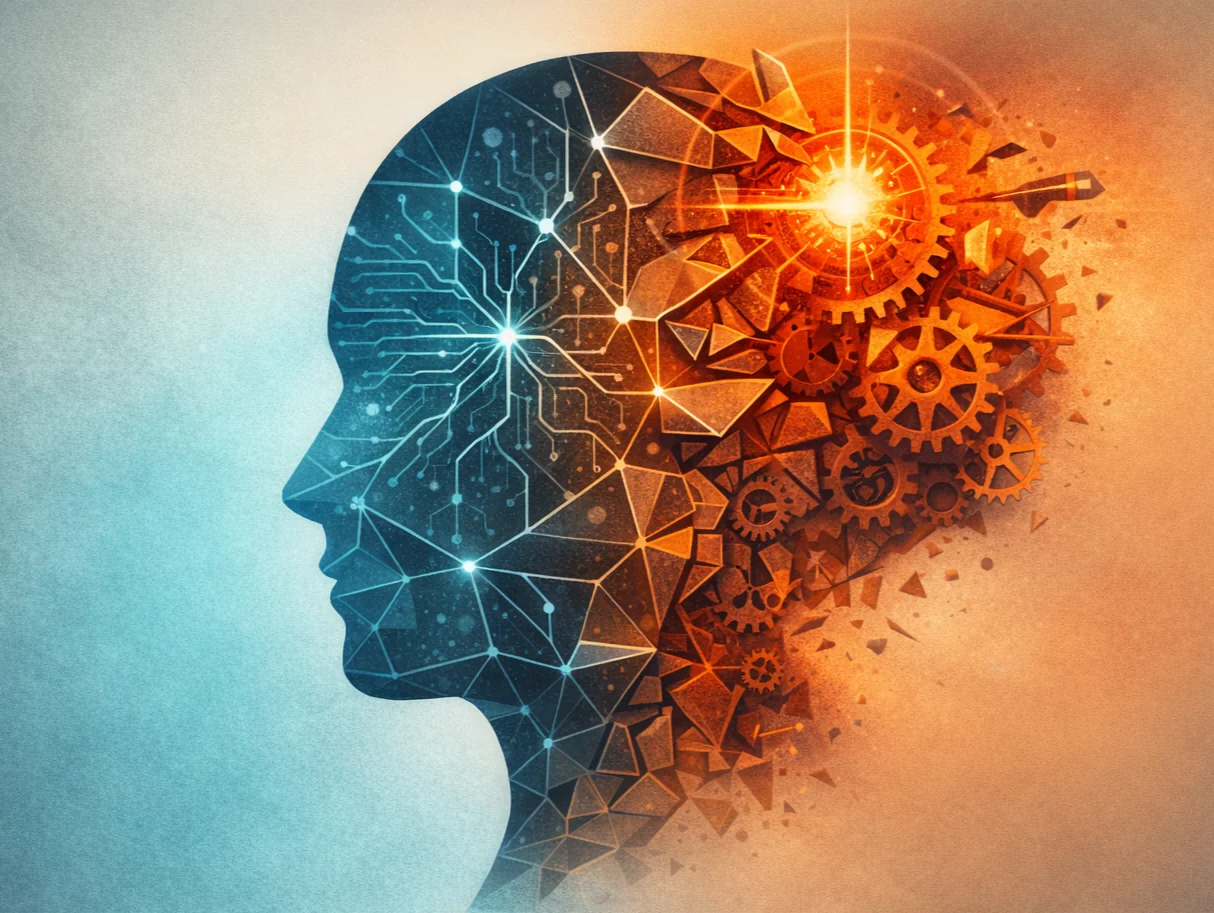
Traumatic Brain Injury
Traumatic brain injury (TBI) can happen from sports injuries, falls, motor vehicle accidents, or any impact to the head. After a head injury, it's natural to have questions about recovery and whether lingering symptoms are normal. Understanding the nature and extent of your injury—and what's contributing to ongoing difficulties—is essential for effective treatment and peace of mind.
Read More
Autism
Many autistic adults go undiagnosed for years or decades, often spending a lifetime feeling different without understanding why. Discovering that you're autistic can be profoundly validating—it reframes struggles as differences, connects you to community, and helps you understand and advocate for your needs. Whether you've long suspected you're autistic or are just beginning to wonder, evaluation can provide clarity and open doors to support.
Read More
Stroke Recovery
Recovering from a stroke is a deeply personal journey, and no two people's experiences are the same. Understanding your cognitive and emotional strengths—not just your challenges—is essential for moving forward. Evaluation helps you work with your abilities rather than against them, identify what supports would be most helpful, and maintain the best possible quality of life. Whether you're in the early stages of recovery or living with long-term effects, clarity about your functioning empowers you to adapt, plan for the future, and advocate for your needs.
Read More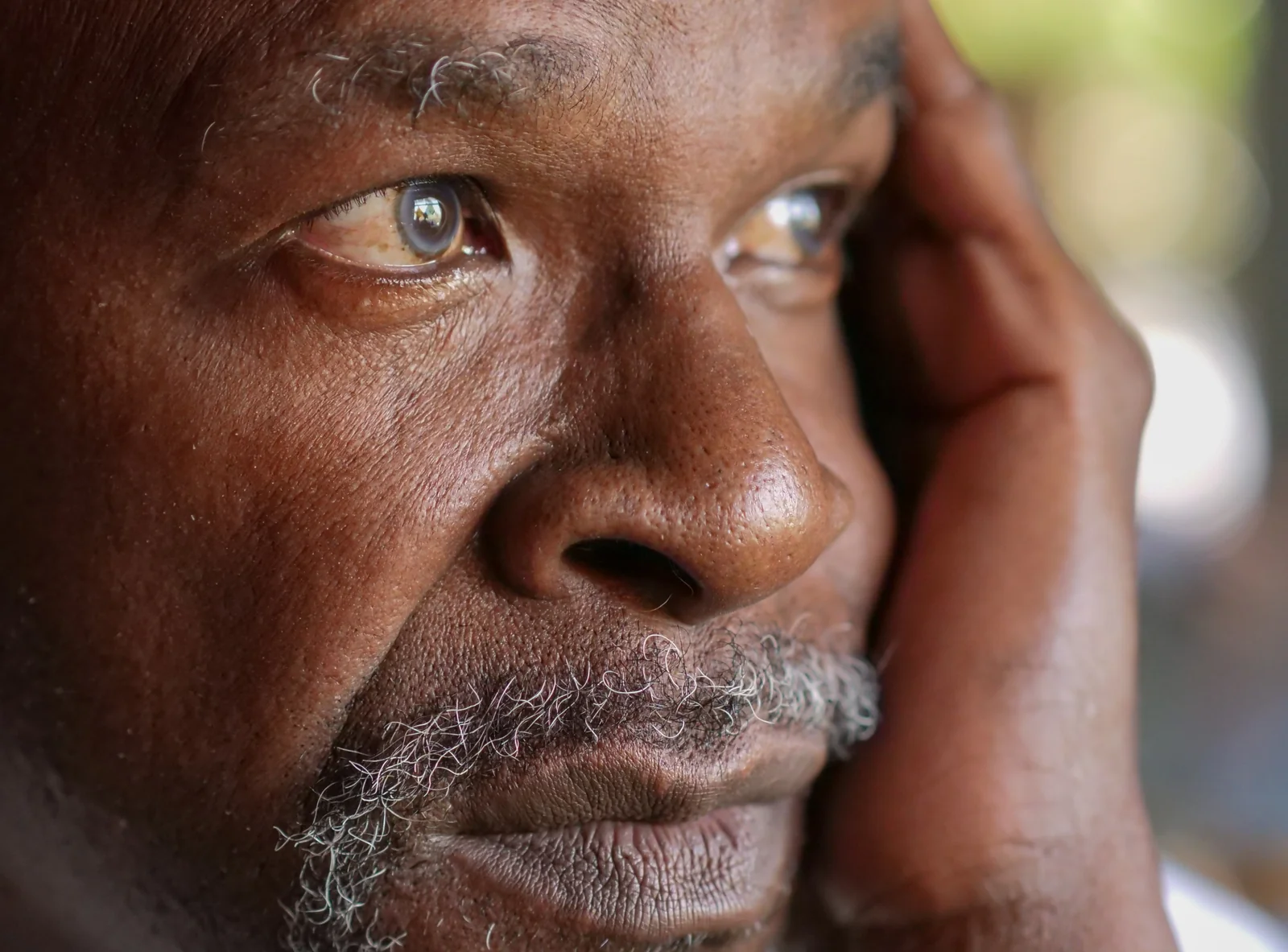
Depression & Anxiety
Struggling with depression, anxiety, or PTSD can affect your ability to concentrate, think quickly, and remember things—especially in the midst of everyday demands and distractions. These struggles are real. When mood or anxiety is the primary cause, symptoms often improve with appropriate treatment. A neuropsychological evaluation can help clarify what's contributing to your difficulties and guides you toward effective interventions.
Read More